What is an ABA Technician Course? A Complete Beginner's Guide
Discover what an ABA Technician Course is, who can enroll, what you'll learn, career opportunities, and how ABA professionals help children with autism through evidence-based therapy.
6/29/20263 min read
What is an ABA Technician Course? A Beginner's Guide to Starting Your Career in Autism Therapy
Meta Title: What is an ABA Technician Course? | Complete Beginner's Guide
Meta Description: Learn what an ABA Technician Course is, who should enroll, career opportunities, course benefits, and how ABA technicians help children with autism through evidence-based therapy.
What is an ABA Technician Course?
The Applied Behavior Analysis (ABA) Technician Course is a professional training program that prepares individuals to work with children and individuals with Autism Spectrum Disorder (ASD) and other developmental disabilities using scientifically proven behavioral intervention techniques.
ABA is recognized worldwide as one of the most effective evidence-based approaches for improving communication, learning, social interaction, adaptive behavior, and independence.
An ABA Technician plays a vital role by implementing individualized therapy programs under the supervision of qualified behavior analysts.
What Does an ABA Technician Do?
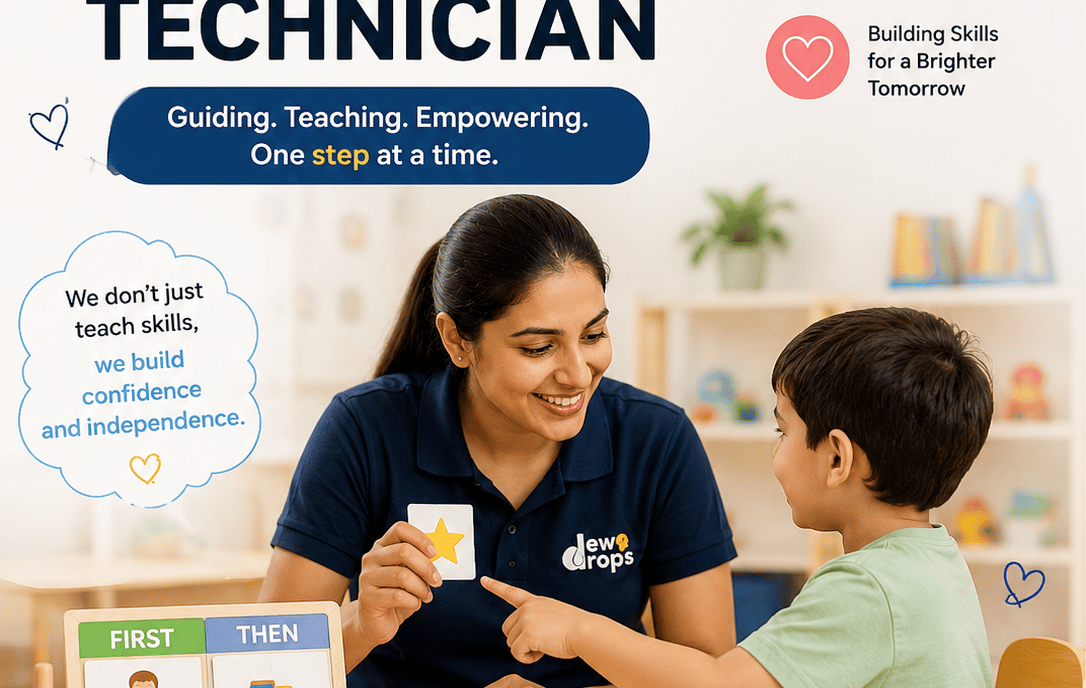
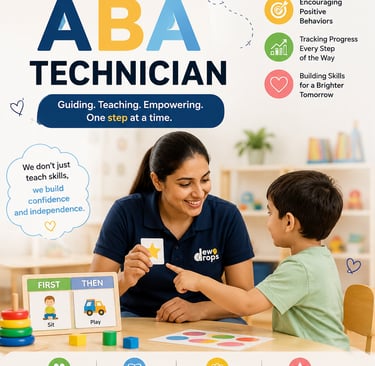
An ABA Technician works directly with children during therapy sessions to help them develop meaningful life skills.
Their responsibilities typically include:
Implementing individualized behavior intervention plans
Teaching communication and language skills
Encouraging positive behavior
Reducing challenging behaviors using ethical practices
Collecting and recording therapy data
Supporting children during structured learning activities
Working closely with parents and supervising professionals
Their goal is to help every child achieve greater independence and improve their quality of life.
Who Can Join an ABA Technician Course?
An ABA Technician Course is suitable for individuals who are passionate about working with children and making a positive impact.
The course is ideal for:
Psychology graduates
Special educators
Occupational therapists
Speech therapists
Physiotherapists
Teachers
Parents of children with autism
Child development professionals
Fresh graduates looking for a rewarding healthcare career
No previous ABA experience is required for most beginner-level courses.
Skills You Will Learn
During an ABA Technician Course, learners gain both theoretical knowledge and practical skills.
Key learning areas include:
Introduction to Autism Spectrum Disorder
Principles of Applied Behavior Analysis
Reinforcement strategies
Behavior assessment basics
Data collection methods
Prompting and fading techniques
Skill acquisition programs
Behavior reduction strategies
Ethical guidelines
Professional communication
Parent collaboration
Session documentation
Practical demonstrations and case-based learning help students apply these concepts confidently.
Why is ABA Therapy Important?
ABA therapy focuses on teaching meaningful behaviors that improve everyday life.
Children receiving quality ABA intervention often show improvement in areas such as:
Communication
Social interaction
Eye contact
Daily living skills
Learning readiness
Emotional regulation
Play skills
Academic participation
Self-help abilities
Because every child is unique, ABA programs are individualized according to their specific needs and developmental goals.
Career Opportunities After Completing an ABA Technician Course
The demand for trained ABA professionals continues to grow worldwide as awareness of autism increases.
After completing an ABA Technician Course, career opportunities may include:
ABA Therapy Centers
Autism Intervention Clinics
Child Development Centers
Special Schools
Hospitals
Early Intervention Programs
Home-Based Therapy Services
Inclusive Education Programs
Many professionals also continue their education to become senior therapists, supervisors, or internationally certified behavior analysts.
Why Choose Professional ABA Training?
Choosing a structured training program helps learners develop confidence through:
Evidence-based curriculum
Experienced faculty
Practical case discussions
Ethical clinical practices
Real-world application
Career guidance
Continuous mentorship
Quality training prepares future ABA technicians to deliver effective and compassionate therapy.
Is an ABA Technician Course Worth It?
If you enjoy working with children, have patience, and want a career that creates meaningful change, an ABA Technician Course can be an excellent choice.
Beyond career opportunities, it offers the chance to positively influence the lives of children with autism and support families through evidence-based intervention.
As awareness of developmental disorders continues to increase, qualified ABA professionals are becoming increasingly valuable across healthcare and educational settings.
Start Your Journey in ABA
Whether you are a student, healthcare professional, educator, or parent, learning Applied Behavior Analysis opens the door to a rewarding and impactful career.
With the right training, mentorship, and practical experience, you can become a skilled ABA Technician and contribute to helping children reach their full potential.
FAQs
What is an ABA Technician?
An ABA Technician is a trained professional who implements Applied Behavior Analysis programs under the supervision of qualified behavior analysts to help individuals with autism develop essential life skills.
Is an ABA Technician Course suitable for beginners?
Yes. Most entry-level ABA Technician Courses are designed for beginners and do not require previous experience.
How long does an ABA Technician Course take?
Course duration varies depending on the training provider, but many programs can be completed within a few weeks to several months.
Who should enroll in an ABA Technician Course?
Students, teachers, therapists, psychologists, healthcare professionals, parents, and anyone interested in autism intervention can benefit from the course.
What career opportunities are available after the course?
Graduates may work in autism centers, special schools, hospitals, child development clinics, early intervention programs, and home-based therapy services.